
From clunky IVR systems to long wait times and overworked agents, traditional call centers have long been ripe for disruption. With the rapid rise of artificial intelligence, the burning question isn’t just when change will come, but how deeply it will transform the industry. So, can call centers really be replaced by AI? Or is the future a time of human-machine collaboration, especially with AI call center technology evolving rapidly?
Let’s unpack what’s happening and what’s coming next.
Call centers have long been the front line of customer communication. But changing expectations, expensive operations, and the international drive for 24/7 support have revealed significant constraints. Step forward, AI call centers: sharper, faster, and ever more human-like in their interactions.
Today’s AI-driven systems go far beyond scripted bots. With natural language processing (NLP), machine learning, and voice recognition, AI call center solutions can now handle complex customer interactions with remarkable accuracy.
“It’s not just about replacing humans, it’s about reimagining support,” says Adeel Arshad, CEO of Proximate Solutions.
“We’re building AI that learns, adapts, and elevates the customer experience.”
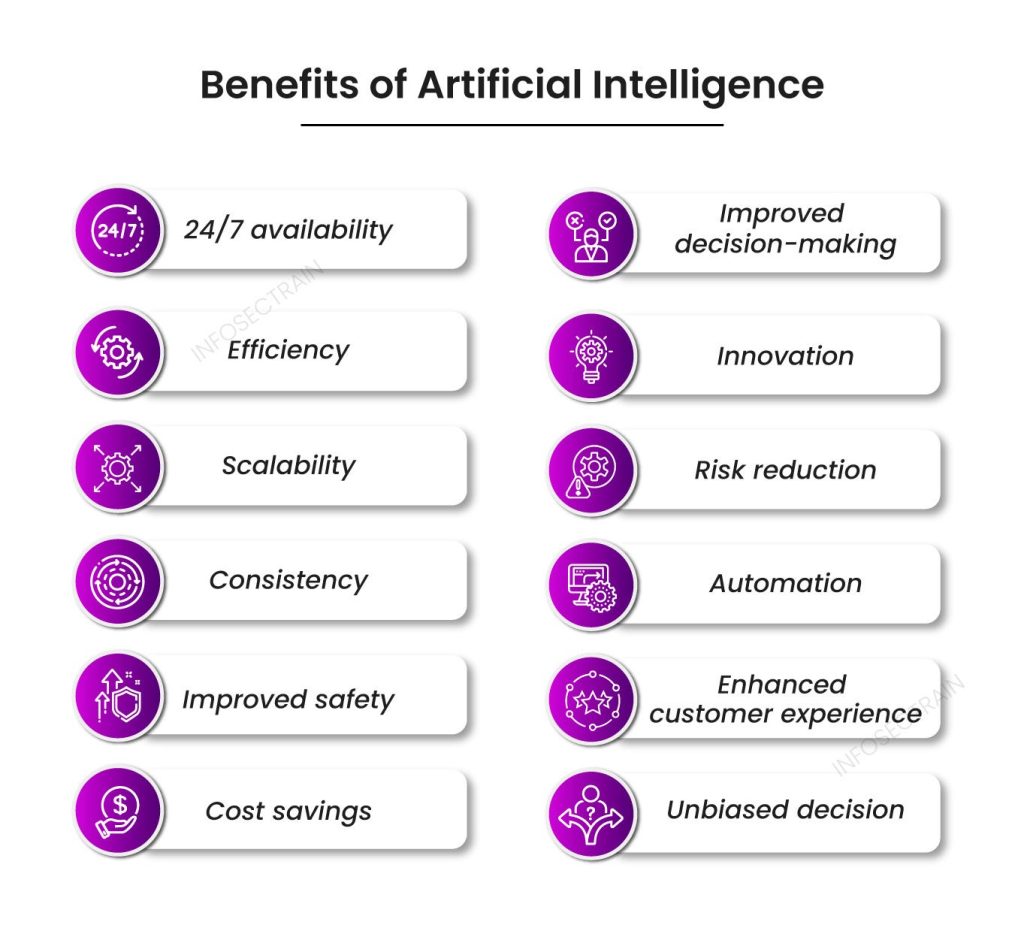
AI-powered chatbots and voice assistants can answer customer queries instantly, regardless of time zone. That means faster resolutions and zero hold times.
As opposed to human agents, AI does not tire or make emotional choices. It always provides accurate information, building up trust and minimizing mistakes.
AI platforms are capable of speaking various languages, eliminating the necessity to hire multilingual agents and conveniently opening up your global reach.
Every AI interaction is logged and analyzed, giving companies real-time data on customer pain points, common issues, and behavior patterns.
Let’s be clear, AI isn’t flawless. It struggles with nuance, sarcasm, and emotionally charged conversations. Complex complaints, sensitive cases, or escalations often still require a human touch.
But instead of seeing this as a shortcoming, many companies are leaning into a hybrid model where AI handles routine queries, and human agents step in for high-touch interactions.
“The smartest organizations are blending AI with human empathy,” Adeel Arshad explains. “That synergy is what builds long-term customer relationships.”
For companies, the economic enticement is clear. AI cuts overhead, diminishes training costs, and can scale up indefinitely in peak seasons.
But customer happiness remains queen. AI needs to be done in a manner that feels useful, not automated. Done well, AI can improve user experience and make customers feel heard and cared for.
Firms deploying AI thoughtfully are reaping quantifiable benefits in both customer loyalty and bottom-line success.
These examples highlight how AI is not just capable, it’s already deeply embedded in customer service frameworks across industries.
Despite the benefits, some businesses hesitate. Concerns include:
These are reasonable concerns, but in the right AI partner, they’re also fixable.
Make your site the obvious answer in Google and AI tools like Perplexity and ChatGPT.
Proximate Solutions will audit your site and deliver a simple plan you can act on immediately.
What you get (no cost, no commitment):Claim Your Custom AI Visibility & Growth Blueprint
Yes, I Want My Free Blueprint →

We’re moving toward a future where AI is the first line of customer service, handling 80% of interactions, and humans only step in for complex or emotional needs.
As AI models like OpenAI’s ChatGPT and Google Gemini evolve, the gap between human and machine conversation is closing fast. Voice synthesis, emotional detection, and real-time learning will soon be the norm.
In this future, AI doesn’t replace humans. It augments them.
At Proximate Solutions, we’ve established a legacy of innovating intelligent AI automation that revolutionizes how companies communicate with their customers. From conversational chatbots to complete AI customer support solutions, we assist brands in deploying scalable, smart solutions that work.
Our solutions are crafted with your business needs, customer experience, and workflow in mind.
We don’t simply implement AI, we tailor it for your specific use case.
Whether you’re a SaaS business that needs to reduce costs, a healthcare organization with HIPAA-compliant automation in mind, or a retail brand with an intelligent chatbot on your wish list, we have the tools and know-how to make it a reality.
So, can AI replace call centers?
Yes, but only where it makes sense. In many scenarios, AI delivers better speed, accuracy, and efficiency. But human agents remain vital for complex and sensitive interactions. The future is not black-and-white. It’s collaborative.
As Adeel Arshad puts it: “We’re not replacing people. We’re empowering them, with AI that listens, learns, and acts faster than ever before.”
If you’re looking to upgrade from outdated call centers to intelligent, AI-powered support, Proximate Solutions is your trusted partner. Let us help you build a future-ready solution that scales with your business.
Contact Us today to explore AI automation that actually works.
1- Can artificial intelligence fully replace human agents within a call center environment?
While AI excels at managing massive volumes of routine inquiries and data-intensive tasks, human agents remain indispensable for complex problem-solving, emotional intelligence, and resolving highly nuanced customer frustrations. The industry consensus points toward a hybrid operational framework where AI tools augment human capabilities rather than replacing the workforce entirely.
2- What are the primary business advantages of integrating AI into call center operations?
AI integration delivers several distinct strategic advantages, including continuous 24/7 availability, instantaneous response metrics, and the capacity to manage concurrent client interactions seamlessly. Furthermore, it systematically drives down operational overhead while surfacing predictive, data-driven insights to refine the broader customer experience.
3- In what ways does AI elevate the customer experience within support ecosystems?
AI optimizes support frameworks by completely eliminating protracted wait times and engineering hyper-personalized interactions rooted in comprehensive customer interaction histories. Additionally, intelligent routing mechanisms ensure callers are matched with the most qualified department, accelerating first-contact resolution rates.
4- Does the deployment of AI call center technology require an expensive capital investment?
While the initial integration expenditures fluctuate based on the architectural complexity of the platform, many enterprises achieve a rapid return on investment. Over time, the technology effectively funds itself through elevated operational efficiency, reduced headcount overhead, and boosted long-term customer retention rates.
From clunky IVR systems to long wait times and overworked agents, traditional call centers have long been ripe for disruption. With the rapid rise of artificial intelligence, the burning question isn’t just when change will come, but how deeply it will transform the industry. So, can call centers really be replaced by AI? Or is the future a time of human-machine collaboration, especially with AI call center technology evolving rapidly?
Let’s unpack what’s happening and what’s coming next.
Call centers have long been the front line of customer communication. But changing expectations, expensive operations, and the international drive for 24/7 support have revealed significant constraints. Step forward, AI call centers: sharper, faster, and ever more human-like in their interactions.
Today’s AI-driven systems go far beyond scripted bots. With natural language processing (NLP), machine learning, and voice recognition, AI call center solutions can now handle complex customer interactions with remarkable accuracy.
“It’s not just about replacing humans, it’s about reimagining support,” says Adeel Arshad, CEO of Proximate Solutions.
“We’re building AI that learns, adapts, and elevates the customer experience.”
AI-powered chatbots and voice assistants can answer customer queries instantly, regardless of time zone. That means faster resolutions and zero hold times.
As opposed to human agents, AI does not tire or make emotional choices. It always provides accurate information, building up trust and minimizing mistakes.
AI platforms are capable of speaking various languages, eliminating the necessity to hire multilingual agents and conveniently opening up your global reach.
Every AI interaction is logged and analyzed, giving companies real-time data on customer pain points, common issues, and behavior patterns.
Let’s be clear, AI isn’t flawless. It struggles with nuance, sarcasm, and emotionally charged conversations. Complex complaints, sensitive cases, or escalations often still require a human touch.
But instead of seeing this as a shortcoming, many companies are leaning into a hybrid model where AI handles routine queries, and human agents step in for high-touch interactions.
“The smartest organizations are blending AI with human empathy,” Adeel Arshad explains. “That synergy is what builds long-term customer relationships.”
For companies, the economic enticement is clear. AI cuts overhead, diminishes training costs, and can scale up indefinitely in peak seasons.
But customer happiness remains queen. AI needs to be done in a manner that feels useful, not automated. Done well, AI can improve user experience and make customers feel heard and cared for.
Firms deploying AI thoughtfully are reaping quantifiable benefits in both customer loyalty and bottom-line success.
These examples highlight how AI is not just capable, it’s already deeply embedded in customer service frameworks across industries.
Despite the benefits, some businesses hesitate. Concerns include:
These are reasonable concerns, but in the right AI partner, they’re also fixable.
Make your site the obvious answer in Google and AI tools like Perplexity and ChatGPT.
Proximate Solutions will audit your site and deliver a simple plan you can act on immediately.
What you get (no cost, no commitment):Claim Your Custom AI Visibility & Growth Blueprint
Yes, I Want My Free Blueprint →
We’re moving toward a future where AI is the first line of customer service, handling 80% of interactions, and humans only step in for complex or emotional needs.
As AI models like OpenAI’s ChatGPT and Google Gemini evolve, the gap between human and machine conversation is closing fast. Voice synthesis, emotional detection, and real-time learning will soon be the norm.
In this future, AI doesn’t replace humans. It augments them.
At Proximate Solutions, we’ve established a legacy of innovating intelligent AI automation that revolutionizes how companies communicate with their customers. From conversational chatbots to complete AI customer support solutions, we assist brands in deploying scalable, smart solutions that work.
Our solutions are crafted with your business needs, customer experience, and workflow in mind.
We don’t simply implement AI, we tailor it for your specific use case.
Whether you’re a SaaS business that needs to reduce costs, a healthcare organization with HIPAA-compliant automation in mind, or a retail brand with an intelligent chatbot on your wish list, we have the tools and know-how to make it a reality.
So, can AI replace call centers?
Yes, but only where it makes sense. In many scenarios, AI delivers better speed, accuracy, and efficiency. But human agents remain vital for complex and sensitive interactions. The future is not black-and-white. It’s collaborative.
As Adeel Arshad puts it: “We’re not replacing people. We’re empowering them, with AI that listens, learns, and acts faster than ever before.”
If you’re looking to upgrade from outdated call centers to intelligent, AI-powered support, Proximate Solutions is your trusted partner. Let us help you build a future-ready solution that scales with your business.
Contact Us today to explore AI automation that actually works.
1- Can artificial intelligence fully replace human agents within a call center environment?
While AI excels at managing massive volumes of routine inquiries and data-intensive tasks, human agents remain indispensable for complex problem-solving, emotional intelligence, and resolving highly nuanced customer frustrations. The industry consensus points toward a hybrid operational framework where AI tools augment human capabilities rather than replacing the workforce entirely.
2- What are the primary business advantages of integrating AI into call center operations?
AI integration delivers several distinct strategic advantages, including continuous 24/7 availability, instantaneous response metrics, and the capacity to manage concurrent client interactions seamlessly. Furthermore, it systematically drives down operational overhead while surfacing predictive, data-driven insights to refine the broader customer experience.
3- In what ways does AI elevate the customer experience within support ecosystems?
AI optimizes support frameworks by completely eliminating protracted wait times and engineering hyper-personalized interactions rooted in comprehensive customer interaction histories. Additionally, intelligent routing mechanisms ensure callers are matched with the most qualified department, accelerating first-contact resolution rates.
4- Does the deployment of AI call center technology require an expensive capital investment?
While the initial integration expenditures fluctuate based on the architectural complexity of the platform, many enterprises achieve a rapid return on investment. Over time, the technology effectively funds itself through elevated operational efficiency, reduced headcount overhead, and boosted long-term customer retention rates.