A customer’s dedication to purchasing from or being loyal to a particular brand over the years is known as brand loyalty. Businesses experience a boost in customer satisfaction and loyalty when they meet client expectations. Conversely, negative experiences can diminish loyalty.
For companies that recognize the value of consistent customer relationships and word-of-mouth advertising, building brand loyalty is crucial. However, in an overcrowded market, differentiating themselves and establishing meaningful connections with consumers is challenging.
The solution? Personalized customer experiences.
Maintaining brand loyalty is more challenging than ever, with customers inundated with marketing messages and products. Personalized experiences help businesses engage with clients on a deeper level and stand out from standard advertising.
When customers feel that a brand genuinely cares about them, they are more likely to recommend and remain loyal to it. Personalized service demonstrates care by adapting to customers’ unique tastes and simplifying the purchasing experience. This attention significantly impacts customers’ perceptions of the brand, thereby increasing their loyalty.
At its core, personalization caters to each customer’s unique needs. When a brand carefully considers a client’s specific wants and requirements throughout their engagement, it results in a customized customer experience.
Make your site the obvious answer in Google and AI tools like Perplexity and ChatGPT.
Proximate Solutions will audit your site and deliver a simple plan you can act on immediately.
What you get (no cost, no commitment):Claim Your Custom AI Visibility & Growth Blueprint
Yes, I Want My Free Blueprint →

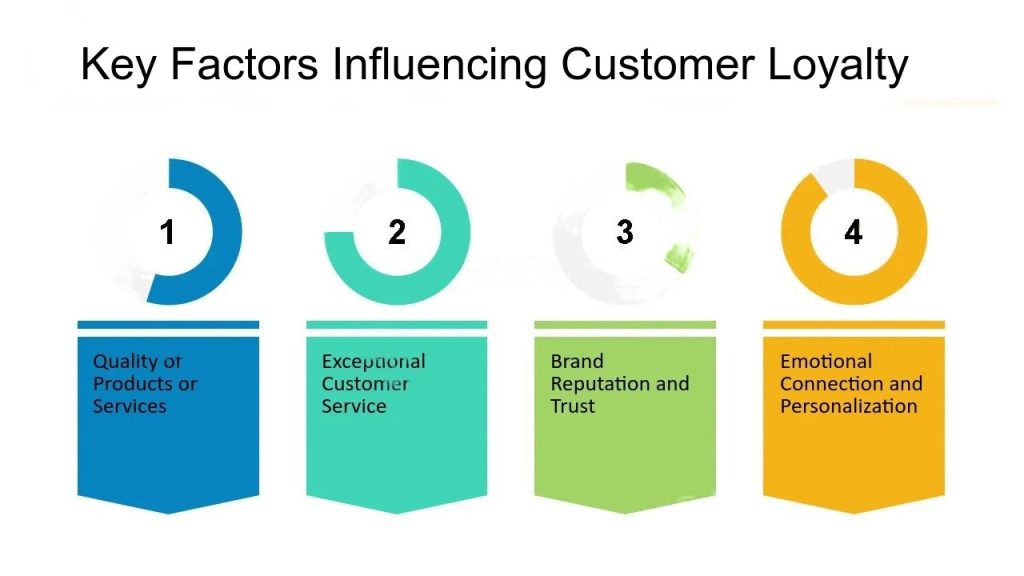
Offering discounts, freebies, or other incentives as part of a rewards system motivates current clients to buy more. Such reward systems demonstrate appreciation and help maintain customers as clients.
Achieving a high level of customization requires a well-thought-out approach. Important steps for creating personalized experiences for customers include:
Customer satisfaction is enhanced when they are provided with an experience that suits their preferences. A more favorable impression of your brand can result from consumers appreciating the ease and diversity of a customized experience. Research by Epsilon indicates that 80% of customers prefer to buy from businesses that provide personalized experiences. Additionally, individuals with a strong emotional attachment to a brand are 60% more likely to consider it when making a purchase.
Loyal consumers are invaluable, as they tend to spend more over time. Brands can boost their bottom line by providing a consistent and personalized customer experience, thereby increasing client lifetime value.
Retaining loyal customers is a cornerstone of long-term business success. The secret to maintaining high customer satisfaction lies in communicating in a way that makes clients feel genuinely appreciated, which can be achieved through tailored customer service. Rewarding repeat buyers or those who refer new business with exclusive coupons and discounts is an excellent strategy to demonstrate gratitude and secure long-term loyalty.
To successfully attract and keep customers, businesses must deliver unforgettable experiences that differentiate them from competitors. Launching highly engaging promotions, introducing cutting-edge services, or offering personalized products are powerful ways to create this lasting competitive advantage.
With real-time data, companies can monitor customer preferences and rapidly adapt to shifts in mood or tastes. By analyzing customer behavior in relation to the brand and adjusting marketing tactics accordingly, companies can more effectively meet their customers’ wants and requirements.
Companies can benefit from real-time analytics by understanding the factors that influence customer happiness and loyalty. Tracking customer interactions—such as website traffic, social media mentions, and email campaigns—reveals which products and services are most desired. Utilizing this data during product development, pricing adjustments, promotions, and other strategies can lead to increased sales and consumer engagement.
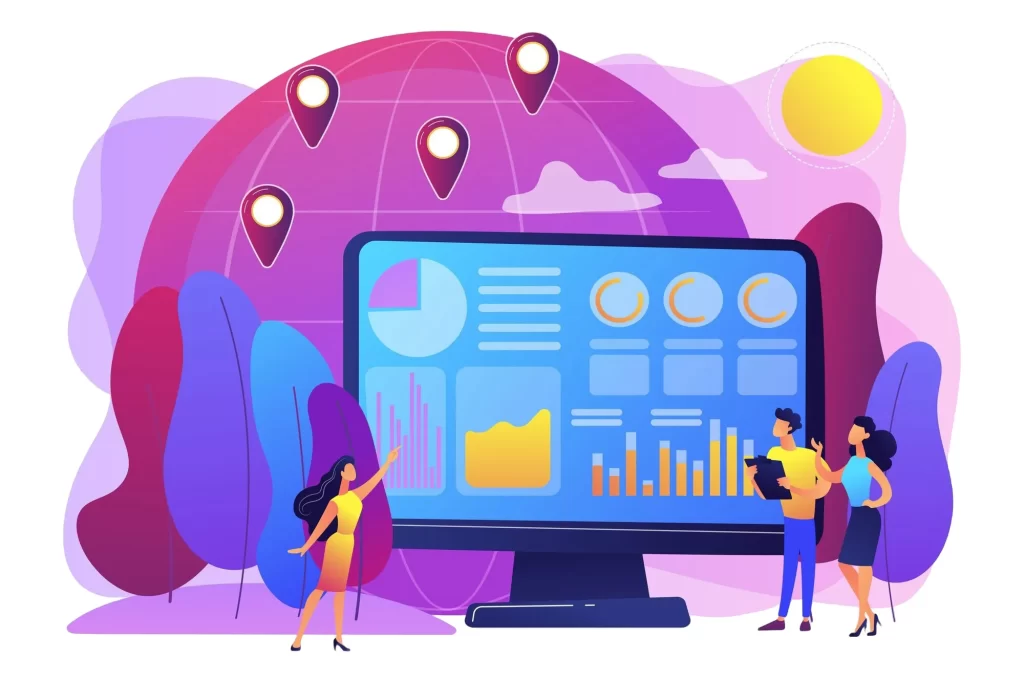
Real-time insights help businesses understand new product or service opportunities and customer behavior patterns. By closely monitoring these trends and responding quickly with products and services tailored to their target customers’ evolving demands, businesses can maintain a competitive edge. In short, access to real-time insights is crucial for companies aiming to grow their client base and strengthen relationships with current consumers, as it provides valuable data about consumer behavior.
When competing for new and prospective clients, personalized experiences are now expected as the norm. Despite potential setbacks, the benefits of efficient personalization are worth the expense. Focusing on providing a customized experience can increase client satisfaction, lifetime value, and loyalty. Organizations of all sizes need to invest in understanding their consumers and providing them with memorable experiences that foster brand loyalty.
Contact Proximate Solutions for a customized consultation to learn how to personalize your company. It’s the initial step toward establishing a truly remarkable bond between the customer and the brand. Remember, loyalty is reciprocal. Show your customers you value them, and they will reciprocate with their loyalty.
1- What is the role of personalization in building brand loyalty?
Personalization transforms generic transactions into meaningful relationships. Tailoring experiences, rewards, and communications shows customers they are individually valued, which naturally fosters long-term brand devotion.
2-How do personalized rewards increase customer retention?
Unlike one-size-fits-all perks, personalized rewards (like custom discounts or birthday offers) align directly with a customer’s shopping habits, making them feel understood and motivating frequent repeat purchases.
3- What is the best way to handle customer service personalization?
Utilize customer history data to provide tailored assistance, remember preferences, and offer proactive solutions. This removes friction and converts routine support into an appreciation-driven experience.
4- Can promotions and discounts harm brand loyalty if overused?
Yes. Generic, mass-blasted discounts can cheapen your brand. The solution is using an intelligent strategy to target specific segments with hyper-relevant offers based on their actual buying behaviors.
5- How do memorable experiences give brands a competitive advantage?
In modern markets, customers easily switch brands out of boredom. Offering cutting-edge services, customized goods, and interactive journeys creates a distinct identity that competitors cannot easily duplicate.
6- What role do referral coupons play in client retention?
Referral discounts act as a dual-action loyalty tool. They incentivize your existing advocates to stay engaged while organically attracting high-value, pre-trusted new clients to your business ecosystem.
7- How do modern consumer expectations impact brand dedication?
Consumers no longer see tailored experiences as a bonus they expect them. Brands failing to deliver personalization risk losing customer connection, leading to higher churn rates and lost market share.
A customer’s dedication to purchasing from or being loyal to a particular brand over the years is known as brand loyalty. Businesses experience a boost in customer satisfaction and loyalty when they meet client expectations. Conversely, negative experiences can diminish loyalty.
For companies that recognize the value of consistent customer relationships and word-of-mouth advertising, building brand loyalty is crucial. However, in an overcrowded market, differentiating themselves and establishing meaningful connections with consumers is challenging.
The solution? Personalized customer experiences.
Maintaining brand loyalty is more challenging than ever, with customers inundated with marketing messages and products. Personalized experiences help businesses engage with clients on a deeper level and stand out from standard advertising.
When customers feel that a brand genuinely cares about them, they are more likely to recommend and remain loyal to it. Personalized service demonstrates care by adapting to customers’ unique tastes and simplifying the purchasing experience. This attention significantly impacts customers’ perceptions of the brand, thereby increasing their loyalty.
At its core, personalization caters to each customer’s unique needs. When a brand carefully considers a client’s specific wants and requirements throughout their engagement, it results in a customized customer experience.
Make your site the obvious answer in Google and AI tools like Perplexity and ChatGPT.
Proximate Solutions will audit your site and deliver a simple plan you can act on immediately.
What you get (no cost, no commitment):Claim Your Custom AI Visibility & Growth Blueprint
Yes, I Want My Free Blueprint →
Offering discounts, freebies, or other incentives as part of a rewards system motivates current clients to buy more. Such reward systems demonstrate appreciation and help maintain customers as clients.
Achieving a high level of customization requires a well-thought-out approach. Important steps for creating personalized experiences for customers include:
Customer satisfaction is enhanced when they are provided with an experience that suits their preferences. A more favorable impression of your brand can result from consumers appreciating the ease and diversity of a customized experience. Research by Epsilon indicates that 80% of customers prefer to buy from businesses that provide personalized experiences. Additionally, individuals with a strong emotional attachment to a brand are 60% more likely to consider it when making a purchase.
Loyal consumers are invaluable, as they tend to spend more over time. Brands can boost their bottom line by providing a consistent and personalized customer experience, thereby increasing client lifetime value.
Retaining loyal customers is a cornerstone of long-term business success. The secret to maintaining high customer satisfaction lies in communicating in a way that makes clients feel genuinely appreciated, which can be achieved through tailored customer service. Rewarding repeat buyers or those who refer new business with exclusive coupons and discounts is an excellent strategy to demonstrate gratitude and secure long-term loyalty.
To successfully attract and keep customers, businesses must deliver unforgettable experiences that differentiate them from competitors. Launching highly engaging promotions, introducing cutting-edge services, or offering personalized products are powerful ways to create this lasting competitive advantage.
With real-time data, companies can monitor customer preferences and rapidly adapt to shifts in mood or tastes. By analyzing customer behavior in relation to the brand and adjusting marketing tactics accordingly, companies can more effectively meet their customers’ wants and requirements.
Companies can benefit from real-time analytics by understanding the factors that influence customer happiness and loyalty. Tracking customer interactions—such as website traffic, social media mentions, and email campaigns—reveals which products and services are most desired. Utilizing this data during product development, pricing adjustments, promotions, and other strategies can lead to increased sales and consumer engagement.
Real-time insights help businesses understand new product or service opportunities and customer behavior patterns. By closely monitoring these trends and responding quickly with products and services tailored to their target customers’ evolving demands, businesses can maintain a competitive edge. In short, access to real-time insights is crucial for companies aiming to grow their client base and strengthen relationships with current consumers, as it provides valuable data about consumer behavior.
When competing for new and prospective clients, personalized experiences are now expected as the norm. Despite potential setbacks, the benefits of efficient personalization are worth the expense. Focusing on providing a customized experience can increase client satisfaction, lifetime value, and loyalty. Organizations of all sizes need to invest in understanding their consumers and providing them with memorable experiences that foster brand loyalty.
Contact Proximate Solutions for a customized consultation to learn how to personalize your company. It’s the initial step toward establishing a truly remarkable bond between the customer and the brand. Remember, loyalty is reciprocal. Show your customers you value them, and they will reciprocate with their loyalty.
1- What is the role of personalization in building brand loyalty?
Personalization transforms generic transactions into meaningful relationships. Tailoring experiences, rewards, and communications shows customers they are individually valued, which naturally fosters long-term brand devotion.
2-How do personalized rewards increase customer retention?
Unlike one-size-fits-all perks, personalized rewards (like custom discounts or birthday offers) align directly with a customer’s shopping habits, making them feel understood and motivating frequent repeat purchases.
3- What is the best way to handle customer service personalization?
Utilize customer history data to provide tailored assistance, remember preferences, and offer proactive solutions. This removes friction and converts routine support into an appreciation-driven experience.
4- Can promotions and discounts harm brand loyalty if overused?
Yes. Generic, mass-blasted discounts can cheapen your brand. The solution is using an intelligent strategy to target specific segments with hyper-relevant offers based on their actual buying behaviors.
5- How do memorable experiences give brands a competitive advantage?
In modern markets, customers easily switch brands out of boredom. Offering cutting-edge services, customized goods, and interactive journeys creates a distinct identity that competitors cannot easily duplicate.
6- What role do referral coupons play in client retention?
Referral discounts act as a dual-action loyalty tool. They incentivize your existing advocates to stay engaged while organically attracting high-value, pre-trusted new clients to your business ecosystem.
7- How do modern consumer expectations impact brand dedication?
Consumers no longer see tailored experiences as a bonus they expect them. Brands failing to deliver personalization risk losing customer connection, leading to higher churn rates and lost market share.